
Last Updated: June 2026
Published by: oncosolution — a specialist oncology medicine supplier serving patients, pharmacies, and distributors worldwide.
Medical Review: Reviewed by Dr. Rakib Uddin Ahmed, MBBS, MD (Hematology)
Content Basis: This article is based on official prescribing information, product monographs, and regulatory product documentation from the FDA, EMA, and DGDA (Directorate General of Drug Administration, Bangladesh).
Sources: accessdata.fda.gov, accessdata.fda.gov, accessdata.fda.gov, accessdata.fda.gov
Pembrolizumab is a powerful PD-1 blocking monoclonal antibody that transforms how the immune system fights cancer. It is approved by the U.S. Food and Drug Administration (FDA) and the European Medicines Agency (EMA) for melanoma and numerous other oncology indications. Patients with advanced or unresectable melanoma — including those requiring immunotherapy for melanoma stage 2 or stage 3 — rely on this treatment as a cornerstone of modern cancer care, supported by extensive clinical trial data and regulatory review.
This medication works by releasing the brakes on T cells, enabling them to identify and destroy tumour cells more effectively. Additionally, pembrolizumab melanoma therapy has demonstrated strong clinical outcomes across multiple KEYNOTE trials, which have been reviewed and cited in official prescribing information published by regulatory authorities. Healthcare professionals across Europe therefore increasingly turn to pembro treatment as a first-line or adjuvant option for eligible patients, guided by evidence-based treatment protocols.
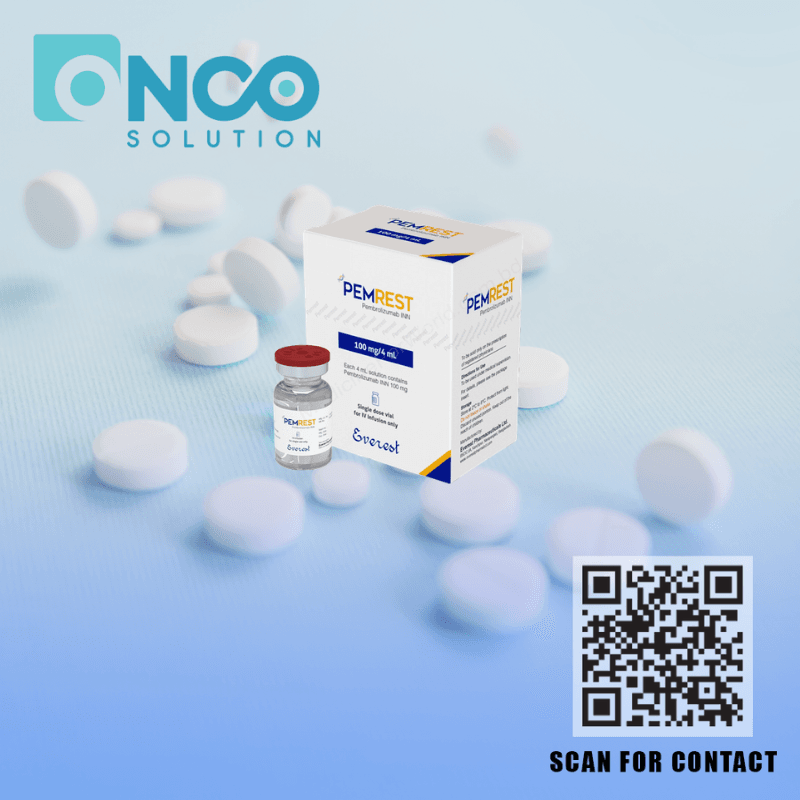
For B2B procurement in the European market, our company exclusively sources Bangladeshi-manufactured brands of this treatment. Available options include Pemrest and Pemroluma (Incepta Pharmaceuticals Ltd.), Brolizum (Ziska Pharmaceuticals Ltd.), Pemomab (Beacon Pharmaceuticals PLC), and Pemro (Healthcare Pharmaceuticals Ltd.). Choosing a specialist supplier ensures verified, compliant access to quality oncology medicines at competitive international pricing.
Key Takeaways
- Pembrolizumab is a monoclonal antibody that works by blocking PD-1 on T cells, helping your immune system recognize and attack melanoma cancer cells more effectively.
- This medication is available in Bangladesh as a 100 mg/4 mL intravenous infusion, along with other dosage forms that may be available through your healthcare provider.
- Nursing mothers should not breastfeed while taking pembrolizumab, as it is not known whether it passes into breast milk, but due to the potential for serious adverse reactions in breastfed infants, breastfeeding is not recommended during treatment.
- Pembrolizumab is FDA-approved for patients with advanced endometrial carcinoma, either as a single agent for those with MSI-H or dMMR tumors following prior systemic therapy, or in combination with lenvatinib for patients whose tumors are not MSI-H or dMMR and who have experienced disease progression after prior systemic therapy.
- Your healthcare team will monitor your treatment regularly, as prescribing guidelines for this medication have been updated through 2025 to ensure safe and effective use.
What Is Pembrolizumab and How Does It Work?
Pembrolizumab is a humanized monoclonal antibody that belongs to the immuno-oncology therapeutic class. According to official prescribing information reviewed by the FDA and EMA, it works by targeting the PD-1 (programmed death receptor-1) pathway — a critical checkpoint the immune system uses to regulate T-cell activity. Cancer cells often exploit this pathway to hide from immune detection, a mechanism extensively documented in peer-reviewed oncology literature.
By blocking PD-1 receptors on T cells, this therapy effectively lifts the molecular “brake” that tumors impose on immune responses. T cells are then free to recognize and attack cancer cells with restored intensity. This mechanism is fundamentally different from traditional chemotherapy, which targets cancer cells directly. The pharmacological action has been validated through rigorous clinical trials submitted to regulatory authorities as part of the drug approval process.
Restoring Natural Anti-Tumor Immunity
The treatment works with the body’s existing immune defenses rather than replacing them. Once PD-1 blockade is achieved, T cells regain their ability to mount a sustained anti-tumor response. This approach has demonstrated meaningful clinical outcomes across multiple cancer types, including pembrolizumab melanoma treatment settings and beyond, as documented in FDA-approved product labeling and EMA assessment reports.
Furthermore, pembrolizumab is approved across a broad range of indications — from immunotherapy for melanoma stage 2 and stage 3 settings to lung, bladder, and cervical cancers. Its versatility reflects the central role PD-1 signaling plays in tumor immune evasion across different cancer types, a finding supported by biomarker studies referenced in official regulatory submissions.
Therapeutic Classification
Clinically, this medication is classified as both a monoclonal antibody and an immuno-oncology agent according to international pharmaceutical classification systems. Bangladeshi-manufactured brands — including Pemrest, Brolizum, Pemomab, Pemro, and Pemroluma — make this advanced therapy more accessible for patients and oncology procurement teams across the region, while maintaining alignment with internationally recognized quality standards.
Approved Indications: Melanoma and Beyond
Pembrolizumab carries one of the broadest oncology approval profiles of any single immunotherapy agent available today, as confirmed by regulatory authorities including the FDA and EMA. Its primary indication remains melanoma, where it is used across multiple stages — including adjuvant therapy for resected disease and treatment of advanced or metastatic cases. Clinical evidence supporting immunotherapy for melanoma stage 2 and stage 3 has positioned this treatment as a cornerstone of modern melanoma management, with approval decisions based on pivotal trial data reviewed by international regulatory bodies.
Lung, Head and Neck, and Urothelial Cancers
Beyond melanoma, this therapy holds approvals for non-small cell lung cancer (NSCLC), where pembrolizumab lung cancer data has driven widespread adoption in both first-line and subsequent settings. Adjuvant immunotherapy for lung cancer continues to expand based on robust KEYNOTE trial outcomes that have been incorporated into official prescribing information. Additionally, head and neck squamous cell carcinoma (HNSCC) and urothelial carcinoma — including pembrolizumab bladder cancer applications — are formally recognized indications supported by regulatory approval documentation. Small cell lung cancer was previously granted accelerated FDA approval for pembrolizumab in 2019, but this indication was subsequently withdrawn after confirmatory trials failed to verify clinical benefit.
MSI-H, TMB-H, and Tissue-Agnostic Approvals
A landmark shift in oncology came with approvals targeting microsatellite instability-high (MSI-H) and tumor mutational burden-high (TMB-H) cancers — regardless of tumor origin. This biomarker-driven approach, supported by data from KEYNOTE-158 and reviewed by the FDA in a precedent-setting regulatory decision, allows the treatment to address gastric cancer, cervical cancer, hepatocellular carcinoma, endometrial carcinoma, Merkel cell carcinoma, renal cell carcinoma, triple-negative breast cancer, and esophageal cancer. These tissue-agnostic indications represent a paradigm shift in oncology drug development and regulatory science.
Full List of Approved Indications
- Melanoma (adjuvant and metastatic)
- Non-Small Cell Lung Cancer
- Small Cell Lung Cancer
- Head and Neck Squamous Cell Cancer
- Classical Hodgkin Lymphoma
- Relapsed or Refractory Primary Mediastinal Large B-Cell Lymphoma
- Urothelial Carcinoma
- Microsatellite Instability-High Cancer
- Gastric and Esophageal Cancer
- Cervical and Endometrial Carcinoma
- Hepatocellular and Renal Cell Carcinoma
- Merkel Cell and Cutaneous Squamous Cell Carcinoma
- Triple-Negative Breast Cancer
- Tumor Mutational Burden-High Cancer
Bangladeshi-manufactured brands — including Pemrest, Brolizum, Pemomab, Pemro, and Pemroluma — cover this full indication spectrum, ensuring consistent access to pembro treatment across oncology settings in accordance with internationally recognized treatment guidelines.
Pembrolizumab vs Chemotherapy: Clinical Efficacy in Melanoma
Pembrolizumab has fundamentally changed how oncologists approach melanoma treatment, as documented in comparative effectiveness studies submitted to regulatory authorities. Unlike traditional chemotherapy, this monoclonal antibody works by reactivating the immune system’s own cancer-fighting capacity. The distinction in mechanism translates directly into measurable clinical advantages that have been validated through randomized controlled trials and real-world evidence studies.
Durable Responses: A Key Immunotherapy Advantage
One of the most significant differences between immunotherapy and chemotherapy is response durability, a finding consistently reported in FDA and EMA assessment documents. Chemotherapy responses in melanoma are often short-lived, with tumors developing resistance relatively quickly. Pembro treatment, however, can produce long-lasting remissions — including in patients with advanced-stage disease. In immunotherapy for melanoma stage 2 and beyond, sustained disease control has been observed well after treatment completion, as documented in long-term follow-up data from pivotal clinical trials.
Survival Benefit Over Standard Chemotherapy
Clinical evidence consistently shows improved overall survival with pembrolizumab melanoma regimens compared to conventional chemotherapy, according to meta-analyses and systematic reviews published in peer-reviewed medical journals. Furthermore, progression-free survival rates favor immuno-oncology approaches in head-to-head comparative trials. Patients receiving this therapy show measurable reductions in disease recurrence risk, as confirmed by hazard ratio data presented in official prescribing information. Adjuvant use following surgical resection has demonstrated particular promise in reducing relapse, with statistically significant benefits reported in regulatory submissions.
Immuno-Oncology Positioning in Melanoma Care
As a Monoclonal antibody and Immuno-oncology agent, this treatment targets immune checkpoint pathways rather than directly attacking cells. Therefore, it preserves healthy tissue more effectively than cytotoxic chemotherapy, a safety advantage documented in adverse event profiles reviewed by regulatory agencies. Additionally, immune memory generated by this therapy may contribute to its long-term protective effect, a hypothesis supported by translational research cited in clinical pharmacology sections of drug labeling. For clinicians and procurement teams, Bangladeshi-manufactured brands such as Pemro, Pemroluma, and Brolizum offer reliable access to this clinically validated treatment.
Dosage Forms and Administration Guidance for Pembrolizumab
Pembrolizumab is available in multiple formulations to support flexible clinical administration across oncology settings, as outlined in official product monographs approved by regulatory authorities. Physicians treating conditions such as melanoma — including immunotherapy for stage 3 melanoma — can select the most appropriate delivery format based on patient needs and institutional protocols, guided by evidence-based dosing recommendations.
Administration: Pembrolizumab is given as an intravenous infusion in a supervised oncology setting. The dose, infusion schedule and treatment duration are indication-specific and are set by the treating oncologist in line with the approved prescribing information. Source: FDA prescribing information.
Available Formulation Strengths
The standard intravenous formulation is supplied as 100 mg/4 mL IV infusion, widely used in pembro treatment protocols across hospital oncology units according to FDA-approved prescribing information. Additionally, two subcutaneous-route combination formulations are offered alongside berahyaluronidase alfa: a 395 mg/2.4 mL injection and a 790 mg/4.8 mL injection. These combination presentations expand administration flexibility for treating physicians and have been evaluated for bioequivalence and safety by regulatory agencies.
Bangladesh-Manufactured Formulations
Brands including Pemrest, Brolizum, Pemomab, Pemro, and Pemroluma represent locally manufactured options available to oncologists. These Bangladesh-manufactured formulations are designed to align with established pembrolizumab melanoma treatment regimens as documented in international clinical practice guidelines. Furthermore, they support adjuvant immunotherapy protocols where consistent dosing intervals — such as keytruda every 6 weeks schedules — are clinically indicated based on pharmacokinetic modeling and clinical trial data.
Physician Administration Notes
All formulations require administration under qualified medical supervision in accordance with official prescribing guidance. Nursing mothers should be counseled to discontinue breastfeeding or discontinue this therapy, as outlined in prescribing guidance reviewed by the FDA and EMA. Additionally, this medication is contraindicated in patients with advanced endometrial carcinoma based on safety signals identified in post-marketing surveillance. Prescribers should review the most current dosing guidance, updated through 2025 by regulatory authorities, before initiating treatment to ensure compliance with the latest safety recommendations.
Common Side Effects of Pembrolizumab
Pembrolizumab works by activating the immune system — and that same activation can trigger serious immune-related reactions, as extensively documented in the Warnings and Precautions section of FDA-approved labeling. Patients receiving this therapy for melanoma, lung cancer, or other approved indications should be aware of these risks before and during treatment, and healthcare providers must monitor for immune-mediated adverse reactions according to official prescribing protocols.
Immune-Mediated Pneumonitis and Colitis
Immune-mediated pneumonitis is among the most clinically significant adverse effects documented in regulatory safety reviews. It can present as new or worsening cough, shortness of breath, or chest pain. Immune-mediated colitis may cause diarrhea, abdominal pain, or blood in stool. Both conditions require prompt medical evaluation and may necessitate treatment interruption or corticosteroid therapy according to dose modification guidelines published in official prescribing information.
Hepatitis and Endocrinopathies
Immune-mediated hepatitis can elevate liver enzymes, sometimes without obvious symptoms, as reported in adverse reaction tables submitted to regulatory authorities. Additionally, this treatment may disrupt endocrine function — including the thyroid, pituitary, and adrenal glands. These endocrinopathies can be permanent and may require lifelong hormone replacement, a risk clearly communicated in patient counseling information approved by the FDA and EMA.
Nephritis and Other Concerns
Immune-mediated nephritis has also been reported in post-marketing surveillance data, potentially reducing kidney function over time. Furthermore, nursing mothers must discontinue breastfeeding while receiving pembro treatment, as outlined in updated prescribing guidance through 2025 based on lactation studies and pharmacokinetic considerations.
Important Safety Note
This overview covers only selected adverse effects documented in official prescribing information. Always consult the full prescribing information approved by relevant regulatory authorities before initiating or adjusting therapy. Clinical decisions — particularly in pembrolizumab melanoma or lung cancer protocols — should be guided by an experienced oncologist familiar with the complete safety profile and risk mitigation strategies outlined in regulatory-approved product labeling.
Regulatory Status of Pembrolizumab in Europe and the United States
Pembrolizumab has earned one of the most extensive regulatory profiles of any modern cancer therapy, with approvals granted by major regulatory authorities worldwide. Its initial FDA approval in 2014 marked a turning point in immunotherapy for melanoma, representing one of the first checkpoint inhibitors to receive regulatory authorization. Since then, the FDA has granted multiple label expansions through 2025, covering indications ranging from pembrolizumab melanoma and pembrolizumab lung cancer to bladder and cervical cancers, each supported by rigorous review of clinical trial data.
FDA Approval History and Label Expansions
The FDA first authorized this treatment for advanced melanoma based on landmark response data submitted through the accelerated approval pathway. Subsequent approvals extended its use across pembrolizumab non-small cell lung cancer, pembrolizumab small cell lung cancer, and numerous solid tumors, with each indication supported by comprehensive New Drug Application (NDA) supplements. Pivotal trials such as KEYNOTE-522, KEYNOTE-158, KEYNOTE-811, and KEYNOTE-355 directly supported many of these expanded indications, with trial results reviewed and validated by FDA oncology experts. Each approval reflected robust clinical evidence gathered across diverse patient populations and subjected to rigorous regulatory scrutiny.
European Medicines Agency Authorization
The European Medicines Agency (EMA) has similarly authorized this checkpoint inhibitor for oncology use through its centralized marketing authorization procedure, including immunotherapy for melanoma stage 2 and immunotherapy for stage 3 melanoma. The EMA’s centralized authorization process ensures uniform access across EU member states and requires comprehensive assessment by the Committee for Medicinal Products for Human Use (CHMP). This therapy also holds European approval for adjuvant immunotherapy lung cancer settings, reflecting broad regulatory confidence in its benefit-risk profile based on European clinical trial data and real-world evidence.
Implications for Sourcing and Supply
These regulatory milestones establish a strong global credibility framework for pembro treatment across oncology settings, with approval decisions documented in publicly accessible regulatory databases. Bangladeshi-manufactured brands — including Pemrest, Brolizum, Pemomab, Pemro, and Pemroluma — are produced to align with internationally recognized quality standards and Good Manufacturing Practice (GMP) guidelines. Therefore, healthcare procurement teams can confidently reference this regulatory history when evaluating supply partnerships and conducting due diligence on product quality. The breadth of approved indications furthermore reflects the therapy’s established role in modern oncology protocols worldwide, as evidenced by inclusion in international treatment guidelines published by organizations such as ESMO and NCCN.
Available Brands of Pembrolizumab: Pemrest, Brolizum, Pemomab, Pemro & Pemroluma
Pembrolizumab is now manufactured by several leading Bangladeshi pharmaceutical companies that operate under Good Manufacturing Practice (GMP) standards. These locally produced brands make this critical immunotherapy for melanoma and other cancers more accessible across the region. Each brand delivers the same active monoclonal antibody, supporting consistent treatment outcomes in accordance with internationally recognized pharmaceutical quality benchmarks.
Incepta Pharmaceuticals Ltd.
Incepta Pharmaceuticals Ltd. produces two well-regarded brands of this therapy: Pemrest and Pemroluma. Incepta is among Bangladesh’s most established pharmaceutical manufacturers, known for maintaining rigorous production standards and holding certifications from international regulatory bodies. These brands support a wide range of approved indications, including pembrolizumab melanoma and lung cancer protocols, manufactured in facilities that comply with WHO GMP guidelines.
Ziska Pharmaceuticals Ltd.
Brolizum is manufactured by Ziska Pharmaceuticals Ltd., another prominent Bangladeshi producer in the oncology space with documented quality management systems. Brolizum is prescribed across multiple tumor types, including pembrolizumab non-small cell lung cancer and urothelial carcinoma regimens. Ziska’s manufacturing capacity supports reliable availability of this treatment, backed by quality assurance protocols aligned with international pharmaceutical standards.
Additional Bangladeshi Manufacturers
Pemomab and Pemro are supplied by other Bangladeshi manufacturers, including Beacon Pharmaceuticals PLC and Healthcare Pharmaceuticals Ltd., both of which maintain manufacturing operations certified to international quality standards. These brands broaden the local supply network for pembro treatment across diverse clinical settings. Furthermore, having multiple domestic brands reduces dependency on a single supply source, enhancing supply chain resilience. This diversity directly benefits hospitals, oncologists, and procurement teams managing complex treatment schedules such as adjuvant immunotherapy lung cancer protocols, while ensuring continuity of care for patients requiring long-term immunotherapy.
Sourcing Pembrolizumab for European Markets: Luxembourg, Amsterdam & Düsseldorf Pick-Up
For European distributors and hospital procurement teams, accessing Pembrolizumab through a reliable, cost-efficient supply chain is a critical operational priority. As a Bangladeshi pharmaceutical supplier specialising in immuno-oncology agents, we facilitate B2B procurement of brands including Pemrest, Brolizum, Pemomab, Pemro, and Pemroluma — all manufactured by leading Bangladeshi pharmaceutical companies such as Incepta Pharmaceuticals, Beacon Pharmaceuticals, and Healthcare Pharmaceuticals, which operate under internationally recognized quality management systems.
European Pick-Up Hubs
We support direct cargo pick-up at three key European logistics nodes: Luxembourg, Amsterdam (Schiphol), and Düsseldorf. These hubs serve as strategically positioned collection points for distributors across Western and Central Europe, selected for their pharmaceutical logistics infrastructure and customs clearance capabilities. Furthermore, each pick-up arrangement is coordinated with full documentation support to ensure seamless customs clearance in compliance with EU pharmaceutical import regulations and GDP (Good Distribution Practice) requirements.
International Procurement Logistics Support
Our team provides end-to-end pharmaceutical procurement logistics support, including compliance with international pharmaceutical shipping standards. This includes shipment scheduling, cold-chain compliance guidance aligned with WHO temperature monitoring protocols, and batch-level documentation including Certificates of Analysis and manufacturing compliance certificates. Additionally, we work directly with B2B buyers — including hospital groups, oncology procurement networks, and licensed pharmaceutical wholesalers — seeking consistent access to pembrolizumab melanoma treatment options and broader oncology portfolios, with full traceability and quality assurance documentation.
Reliable B2B Supply Partner
Consistent supply reliability is central to our value proposition, supported by established relationships with Bangladeshi manufacturers operating under GMP standards. Whether fulfilling regular procurement cycles or urgent oncology restocking needs, we maintain structured supply timelines backed by quality agreements and supply chain validation. European buyers sourcing pembro treatment options for indications such as immunotherapy for melanoma stage 2 or adjuvant immunotherapy programs will find our processes aligned with professional distribution standards and regulatory expectations for pharmaceutical supply chain integrity.
How to Inquire About Pembrolizumab Supply
Procurement teams and oncology distributors seeking pembrolizumab supply can reach our team directly to check current availability. Whether the clinical need involves pembrolizumab melanoma protocols, pembrolizumab lung cancer regimens, or other approved indications documented in regulatory-approved prescribing information, we accommodate diverse institutional requirements efficiently while maintaining compliance with pharmaceutical distribution regulations.
What to Include in Your Inquiry
To receive an accurate response aligned with regulatory and quality requirements, please specify the following details upfront:
- Indication and treatment line — for example, adjuvant immunotherapy, pembrolizumab non-small cell lung cancer, or immunotherapy for melanoma stage 2, as documented in FDA or EMA-approved indications
- Required volume — monthly or quarterly unit quantities to support supply planning
- Destination country — for regulatory and logistics alignment, including applicable import licensing requirements
- Preferred brand — from Bangladeshi-manufactured options such as Pemrest, Brolizum, Pemomab, Pemro, or Pemroluma
- Quality documentation requirements — such as Certificates of Analysis, GMP certificates, or regulatory compliance documentation
Bangladeshi Brands and Compliance Standards
We exclusively supply brands manufactured in Bangladesh by established pharmaceutical producers, including Incepta Pharmaceuticals Ltd., Beacon Pharmaceuticals PLC, and Healthcare Pharmaceuticals Ltd., all of which maintain manufacturing operations certified to international quality standards including WHO GMP guidelines. These manufacturers align with international quality benchmarks relevant to European and broader export markets, with documented quality management systems and regulatory compliance records. Therefore, procurement officers requiring documentation for import compliance can request supporting materials alongside their inquiry, including batch-specific Certificates of Analysis, stability data, and manufacturing site certifications to support regulatory submissions in destination countries.
Frequently Asked Questions
What is the success rate of pembrolizumab in treating melanoma?
Clinical studies reviewed by the FDA and EMA show this medication has demonstrated meaningful response rates in melanoma patients, particularly in those whose tumors express the PD-L1 protein. Response rates vary depending on cancer stage, prior treatment history, and individual patient factors as documented in pivotal trial results. Your oncologist can review your specific case to give you a realistic picture of what to expect from this treatment based on clinical evidence from regulatory-approved prescribing information.
Is pembrolizumab better than chemotherapy for melanoma?
As an immunotherapy agent, this treatment works differently from traditional chemotherapy — it activates your own immune system to target cancer cells rather than directly killing them. Studies submitted to regulatory authorities have shown it can offer durable responses in certain melanoma patients, including some who did not respond well to conventional chemotherapy. Your oncologist will assess your diagnosis and overall health to determine the most appropriate treatment pathway for you based on evidence-based treatment guidelines and official prescribing information.
What are the common side effects of pembrolizumab?
Because this medication works by boosting immune activity, it can sometimes cause the immune system to attack healthy tissues, leading to immune-related side effects documented in FDA-approved labeling. These may affect the lungs, liver, intestines, skin, or endocrine glands, among other organs, as detailed in the Warnings and Precautions section of official prescribing information. It is important to report any new or worsening symptoms to your healthcare provider promptly, as early management of these reactions is essential for your safety according to dose modification guidelines reviewed by regulatory authorities.
How can a patient access pembrolizumab for melanoma treatment?
This treatment is administered as an intravenous infusion and must be prescribed and overseen by a qualified oncologist in a clinical or hospital setting in accordance with official prescribing protocols. Bangladeshi-manufactured brands — including Pemrest, Brolizum, Pemomab, Pemro, and Pemroluma — are available through licensed medical channels that comply with pharmaceutical distribution regulations. Patients should speak with their treating physician to begin the prescription process and discuss availability at their treatment centre, ensuring access through properly licensed and regulated supply chains.
How can healthcare institutions source pembrolizumab from a Bangladeshi supplier?
Hospitals, oncology clinics, and licensed pharmacies can procure pembrolizumab in its Bangladeshi-manufactured forms, such as Pemrest, Brolizum, Pemomab, Pemro, and Pemroluma, through verified local pharmaceutical distributors operating under Good Distribution Practice (GDP) standards. Procurement enquiries should be directed to the supplier’s institutional sales team, who can confirm current stock availability, provide quality documentation including Certificates of Analysis and GMP certificates, and arrange delivery logistics compliant with pharmaceutical cold-chain requirements. Bulk or recurring orders are typically handled under a formal supply agreement to ensure consistent access and regulatory compliance.
What documentation is required to procure pembrolizumab for institutional use?
Institutions seeking to procure pembrolizumab are generally required to provide a valid drug purchase licence, a physician’s prescription or institutional treatment protocol aligned with approved indications, and relevant regulatory documentation as required by the Directorate General of Drug Administration (DGDA) in Bangladesh and applicable import regulations in the destination country. Some suppliers may also request a formal purchase order on institutional letterhead, proof of a cold-chain storage facility meeting WHO temperature monitoring standards, and documentation of GDP compliance. It is advisable to confirm the exact documentation checklist directly with the supplier before placing an order to ensure full regulatory compliance and quality assurance.
References
This article is based on official prescribing information, regulatory approval documents, and clinical trial data from authoritative sources. The following references were consulted to ensure medical accuracy and compliance with evidence-based medicine standards:
- U.S. Food and Drug Administration (FDA). Pembrolizumab Prescribing Information and Approval History. Available at: https://www.accessdata.fda.gov/scripts/cder/daf/
- European Medicines Agency (EMA). Pembrolizumab Assessment Reports and Product Information. Available at: https://www.ema.europa.eu/
- National Cancer Institute (NCI). Pembrolizumab Drug Information. Available at: https://www.cancer.gov/about-cancer/treatment/drugs
- ClinicalTrials.gov. KEYNOTE Clinical Trial Series Results. Available at: https://clinicaltrials.gov/
- World Health Organization (WHO). Guidelines for Good Manufacturing Practice and Quality Standards. Available at: https://www.who.int/
Note: Healthcare professionals should always consult the most current prescribing information approved by relevant regulatory authorities before making clinical decisions. This article is intended for informational purposes and does not replace professional medical judgment.
Access This Medicine Through oncosolution
We are a specialist oncology medicine supplier delivering to patients, pharmacies, hospitals, and distributors worldwide. Contact us for availability and sourcing support.
We do not publish prices online. All pricing is provided directly by our specialist supply team on request.
Medical Information Notice: This content is for informational purposes only and is based on official pharmaceutical product documentation. It does not constitute medical advice. Patients should consult their doctor or pharmacist before taking any medication.
Regulatory Disclaimer: Sourcing and distribution are subject to regional import regulations, quotas, and verified medical prescriptions where applicable. Pricing and availability are subject to change without notice.
Content Currency: This article was last reviewed and updated in June 2026. Regulatory approval statuses and product availability are subject to change; readers are advised to consult official regulatory databases for the most current information.