
Last Updated: July 2026
Published by: oncosolution — a specialist oncology medicine supplier serving patients, pharmacies, and distributors worldwide.
Medical Review: Reviewed by Dr. Farhan Hossain, MBBS, MD (Oncology)
Content Basis: This article is based on official prescribing information, product monographs, and regulatory product documentation from DGDA (Directorate General of Drug Administration, Bangladesh).
Sources: drugs.com, accessdata.fda.gov, accessdata.fda.gov, drugs.com
Key Takeaways
- Ruxolitinib 1.5% cream is indicated for the short-term and non-continuous chronic treatment of mild to moderate atopic dermatitis in non-immunocompromised patients aged 2 years and older, with a separate indication for nonsegmental vitiligo.
- The cream works by selectively inhibiting JAK1 and JAK2, interrupting cytokine-driven inflammatory signalling pathways — including those mediated by IL-4, IL-13, IL-31, and TSLP — that underlie atopic dermatitis.
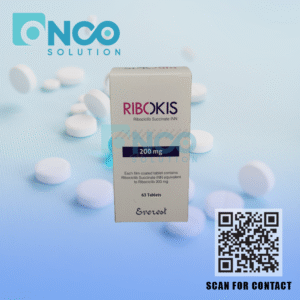
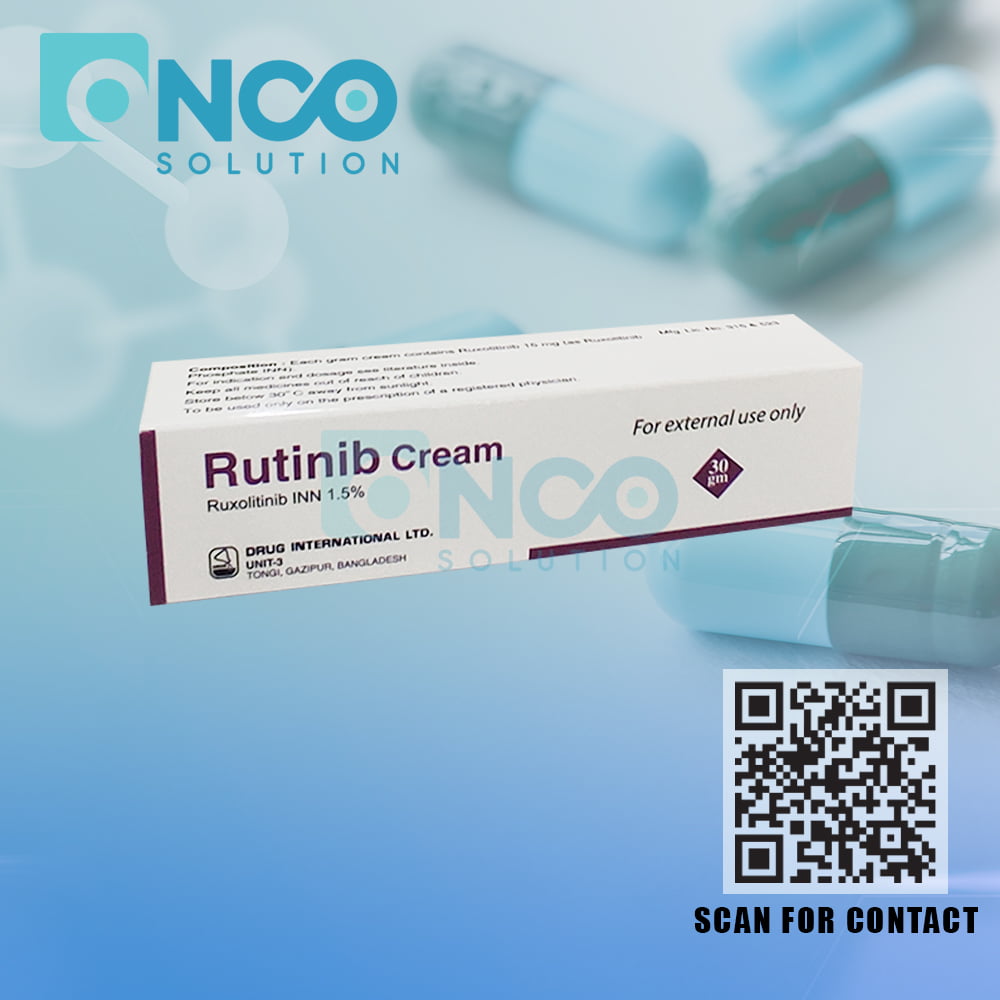
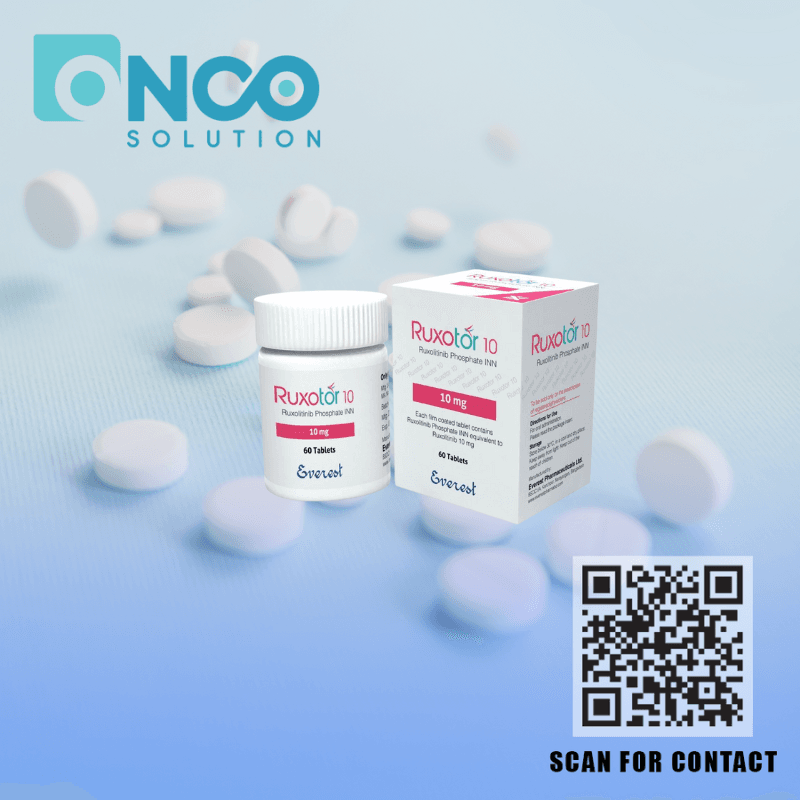
- Three DGDA-regulated ruxolitinib 1.5% cream brands are sourced directly from Bangladeshi manufacturers: Ruxotor (Everest Pharmaceuticals Ltd.), Ruxonib (Ziska Pharmaceuticals Ltd.), and Rutinib (Drug International Ltd.), each available in 60 g, 100 g, and 120 g tube presentations.
- Despite low mean bioavailability following topical application, topical ruxolitinib carries class-labeling warnings for serious infections (such as tuberculosis and herpes zoster), major adverse cardiovascular events, thrombosis, and malignancy; however, evidence suggests the actual systemic risk with the topical formulation is substantially reduced compared to oral JAK inhibitors, though long-term monitoring remains prudent.
- Ruxolitinib is principally metabolised via CYP3A4, and co-administration with CYP3A4 inhibitors or inducers should be evaluated; breastfeeding is not recommended during treatment.
- All three Bangladeshi brands are available for procurement by pharmacies, hospitals, and healthcare distributors in Bangladesh, with supply also accessible to buyers in India.
What Is Ruxolitinib Cream Used For?
Ruxolitinib cream is a topical Janus kinase (JAK) inhibitor indicated for the short-term and non-continuous chronic treatment of mild to moderate atopic dermatitis. The approved indication specifically covers non-immunocompromised adult and pediatric patients 2 years of age and older whose disease is not adequately controlled with topical prescription therapies or when those therapies are not advisable. This patient selection criterion is clinically significant: the restriction to non-immunocompromised individuals reflects the immunomodulatory mechanism of JAK inhibition and the associated infection risk profile discussed in prescribing guidance.
Atopic dermatitis in this population is characterised by chronic, relapsing skin inflammation driven by dysregulated immune signalling — a pathway directly targeted by ruxolitinib’s mechanism of action. The topical formulation allows localised delivery to affected skin, which is relevant to the benefit-risk assessment in this indication.
Beyond atopic dermatitis, ruxolitinib cream also carries an approved indication for nonsegmental vitiligo, a condition involving progressive depigmentation mediated by autoimmune destruction of melanocytes. Both indications reflect the drug’s capacity to modulate JAK-dependent inflammatory and immune pathways at the skin level. Healthcare providers and procurement teams evaluating ruxolitinib cream availability in Bangladesh should note that both indications are supported by the same 1.5% cream formulation.
How Ruxolitinib Works: The JAK1 and JAK2 Inhibition Pathway
Ruxolitinib is a selective inhibitor of Janus kinase 1 (JAK1) and Janus kinase 2 (JAK2) — two members of the JAK family of intracellular tyrosine kinases. These enzymes play a central role in transducing signals from a wide range of cytokines and growth factors that regulate hematopoiesis and immune function.
Under normal physiological conditions, cytokines bind to their respective cell-surface receptors, triggering receptor-associated JAK proteins to phosphorylate one another. This transphosphorylation activates the JAKs, which then recruit and phosphorylate Signal Transducers and Activators of Transcription (STATs). Activated STATs dimerize, translocate to the nucleus, and modulate the expression of genes involved in immune cell proliferation, differentiation, and inflammatory mediator production.
In conditions such as atopic dermatitis, this pathway is aberrantly activated. Cytokines including IL-4, IL-13, IL-31, and thymic stromal lymphopoietin (TSLP) — all of which signal through JAK1 and/or JAK2 — drive the type 2 inflammatory cascade responsible for the pruritus, barrier dysfunction, and skin lesions characteristic of the disease.
By selectively inhibiting JAK1 and JAK2, ruxolitinib interrupts cytokine receptor signalling at the intracellular level, preventing STAT recruitment and downstream gene expression changes. Applied topically, this targeted blockade suppresses the localised immune-mediated inflammation in affected skin without the systemic immunosuppression associated with oral JAK inhibitors, though systemic absorption and associated risks remain clinically relevant considerations.

Ruxolitinib 1.5% Cream: Available Brands in Bangladesh
Three ruxolitinib 1.5% cream brands are currently available through direct sourcing from Bangladeshi manufacturers, all regulated under the Directorate General of Drug Administration (DGDA) of Bangladesh (dgda.gov.bd).
- Ruxotor (Everest Pharmaceuticals Ltd.) — Available in 1.5% cream formulation in 60 g, 100 g, and 120 g tube presentations.
- Ruxonib (Ziska Pharmaceuticals Ltd.) — Available in 1.5% cream formulation in 60 g, 100 g, and 120 g tube presentations.
- Rutinib (Drug International Ltd.) — Available in 1.5% cream formulation in 60 g, 100 g, and 120 g tube presentations.
All three brands are manufactured domestically in Bangladesh and sourced directly from their respective Bangladeshi manufacturers. For procurement teams and healthcare distributors assessing ruxolitinib cream availability in the local market, these brands represent the complete range of DGDA-regulated options. The availability of multiple tube sizes — 60 g, 100 g, and 120 g — supports flexible procurement for both institutional and retail pharmacy channels. Buyers should confirm current stock and pack configurations directly with the supplier at the time of inquiry.
Regulatory Status: DGDA Bangladesh and Global Context
In Bangladesh, ruxolitinib 1.5% cream is regulated under the framework of the Directorate General of Drug Administration (DGDA), the national authority responsible for the registration, licensing, and quality oversight of pharmaceutical products. All three locally manufactured brands — Ruxotor, Ruxonib, and Rutinib — are subject to DGDA regulatory requirements, providing a structured compliance baseline for healthcare procurement in Bangladesh.
From a global regulatory perspective, the originator topical ruxolitinib product, Opzelura, received FDA approval in September 2021 for atopic dermatitis in patients aged 12 years and older, with the nonsegmental vitiligo indication added in July 2022. The atopic dermatitis indication was subsequently extended to patients 2 years of age and older in September 2025; the vitiligo indication remains limited to patients 12 years and older. This international approval history provides meaningful regulatory precedent and supports the clinical evidence base underpinning the indications recognised in Bangladesh.
For procurement professionals and healthcare institutions operating under Bangladesh’s pharmaceutical regulatory environment, DGDA registration confirms that locally manufactured ruxolitinib cream brands have met national standards for market authorisation. Institutions are advised to verify current registration status with DGDA directly when conducting formal procurement due diligence.
Safety Profile, Side Effects, and Clinical Warnings
Ruxolitinib cream carries a defined safety profile that prescribers and procurement stakeholders should understand clearly. The following information reflects the official clinical data and is intended to support informed clinical and institutional decision-making.
Common side effects: The most frequently reported adverse reactions with topical ruxolitinib 1.5% cream are generally mild and localised, and include application site acne, application site pruritus (itching), application site redness, nasopharyngitis (common cold symptoms), headache, upper respiratory tract infection, ear infection, and urinary tract infection.
Serious Infections: Patients treated with JAK inhibitors, including ruxolitinib, are at increased risk of serious infections that may lead to hospitalisation or death. Documented risks include active tuberculosis, invasive fungal infections (specifically cryptococcosis and pneumocystosis), bacterial infections, viral infections including herpes zoster, and other opportunistic pathogens. Screening for latent tuberculosis prior to initiation is a standard clinical consideration.
Cardiovascular Risks: Safety data document a higher rate of all-cause mortality, sudden cardiovascular death, major adverse cardiovascular events (MACE), and thrombosis in association with JAK inhibitor use. These risks are particularly relevant in patients with pre-existing cardiovascular risk factors, and ongoing cardiovascular surveillance is warranted.
Malignancy: An increased risk of malignancy, including lymphoma and other cancers, has been observed with JAK inhibitor therapy. Long-term monitoring protocols should account for this risk.
Drug Interactions: Ruxolitinib is principally metabolised via the CYP3A4 pathway, with CYP2C9 contributing to a lesser extent. Co-administration with CYP3A4 inhibitors or inducers may alter systemic exposure and should be evaluated by the treating physician.
Lactation: It is not known whether ruxolitinib is distributed into human milk. Breastfeeding is not recommended during treatment.
All safety-related decisions, including patient selection, monitoring, and management of adverse events, should be directed by the treating physician in accordance with the official prescribing information.
Pharmacokinetics: Key Facts on Absorption and Excretion
The pharmacokinetic profile of ruxolitinib 1.5% cream following topical application is characterised by limited systemic absorption, which is relevant to both its therapeutic rationale and its systemic risk considerations.
- Bioavailability:
- Mean bioavailability following topical application is approximately 6%, indicating that the majority of the applied dose remains localised at the skin surface and does not enter systemic circulation.
- Accumulation:
- No evidence of drug accumulation has been observed following daily application over 28 days in subjects with atopic dermatitis, supporting a predictable systemic exposure profile with continued use.
- Protein Binding:
- Plasma protein binding is approximately 97%, which has implications for potential drug interactions and the interpretation of plasma concentration data.
- Half-Life:
- The mean terminal half-life following topical application is approximately 116 hours, reflecting prolonged systemic residence despite low bioavailability.
- Excretion:
- Ruxolitinib and its metabolites are primarily excreted via urine (74%) and feces (22%), with less than 1% excreted as unchanged drug, indicating extensive hepatic metabolism prior to elimination.
- Route Restriction:
- Ruxolitinib 1.5% cream is strictly for topical cutaneous use only. It is not intended for ophthalmic, oral, or intravaginal administration.
Long-Term Monitoring and Real-World Safety Considerations
The approved indication for ruxolitinib cream in non-immunocompromised patients aged 2 and older reflects a deliberate patient selection strategy designed to mitigate the most serious infection-related risks associated with JAK inhibition. Nonetheless, long-term use requires structured clinical monitoring protocols.
Treating physicians should establish ongoing surveillance for serious infections, including periodic assessment for signs of tuberculosis reactivation and opportunistic pathogens. Patients with risk factors for cardiovascular disease warrant particular attention given the documented associations with MACE, thrombosis, and sudden cardiovascular death in the JAK inhibitor class.
Malignancy surveillance is also a recognised component of long-term management for patients on JAK inhibitor therapy. The frequency and modality of monitoring should be individualised based on patient risk profile and clinical judgment.
For institutional procurement teams, understanding the monitoring requirements associated with ruxolitinib cream is relevant to formulary decisions and patient support infrastructure. Healthcare providers should refer to the current official prescribing information and DGDA-approved product documentation when establishing monitoring protocols for their patient populations.
How to Inquire About Ruxolitinib Supply in Bangladesh and India
Ruxotor, Ruxonib, and Rutinib — all ruxolitinib 1.5% cream formulations sourced directly from Bangladeshi manufacturers — are available for procurement by pharmacies, hospitals, and healthcare distributors operating in Bangladesh. Supply is also available to buyers in India seeking Bangladeshi-manufactured ruxolitinib cream.
For detailed information on ruxolitinib cream availability, pack sizes, and current stock status across all three brands, procurement teams are encouraged to contact us directly. All inquiries regarding availability, lead times, and order quantities can be directed through our contact channels. No pricing information is published online — please reach out for a formal quotation tailored to your institutional or distribution requirements.
Frequently Asked Questions
Who is ruxolitinib cream approved for?
Ruxolitinib cream is approved for non-immunocompromised patients aged 2 years and older with mild to moderate atopic dermatitis, and also carries an indication for nonsegmental vitiligo. The restriction to non-immunocompromised individuals reflects the infection-related risks associated with JAK inhibition. Patients should be assessed by a treating physician to confirm they meet the approved criteria before initiating therapy.
What are the most important side effects patients should know about?
Key risks include serious infections such as active tuberculosis, herpes zoster, and invasive fungal infections like cryptococcosis, as well as major adverse cardiovascular events and an increased risk of malignancy including lymphoma. These risks are consistent with the JAK inhibitor class and apply even with topical use due to potential systemic absorption. Patients should discuss their individual risk profile with their physician before and during treatment.
Can ruxolitinib cream be used while breastfeeding?
Breastfeeding is not recommended during treatment with ruxolitinib cream, as it is not known whether the drug is distributed into human milk. This guidance applies regardless of the topical route of administration, given the possibility of systemic absorption. Patients should consult their physician to discuss feeding options during the course of treatment.
Does ruxolitinib cream build up in the body with continued use?
No evidence of drug accumulation has been observed following daily application over 28 days in patients with atopic dermatitis, supporting a predictable systemic exposure profile. Mean bioavailability following topical application is approximately 6%, meaning most of the applied dose remains localised at the skin. However, the mean terminal half-life is approximately 116 hours, so systemic exposure considerations remain clinically relevant.
Which ruxolitinib cream brands are available for procurement in Bangladesh?
Three brands sourced directly from Bangladeshi manufacturers are available: Ruxotor by Everest Pharmaceuticals Ltd., Ruxonib by Ziska Pharmaceuticals Ltd., and Rutinib by Drug International Ltd., all in the 1.5% cream formulation across 60 g, 100 g, and 120 g tube sizes. All three brands are regulated under the Directorate General of Drug Administration (DGDA) of Bangladesh. Procurement teams should contact us directly to confirm current stock availability and to request a formal quotation.
Can buyers in India procure these Bangladeshi-manufactured ruxolitinib cream brands?
Yes, supply of Ruxotor, Ruxonib, and Rutinib is available to buyers in India seeking Bangladeshi-manufactured ruxolitinib 1.5% cream. All brands are sourced directly from their respective Bangladeshi manufacturers and are not Indian-manufactured products. Interested buyers in India are encouraged to contact us directly for information on availability, lead times, and order quantities.
Access This Medicine Through oncosolution
We are a specialist oncology medicine supplier delivering to patients, pharmacies, hospitals, and distributors worldwide. Contact us for availability and sourcing support.
We do not publish prices online. All pricing is provided directly by our specialist supply team on request.
Medical Information Notice: This content is for informational purposes only and is based on official pharmaceutical product documentation. It does not constitute medical advice. Patients should consult their doctor or pharmacist before taking any medication.
Regulatory Disclaimer: Sourcing and distribution are subject to regional import regulations, quotas, and verified medical prescriptions where applicable. Pricing and availability are subject to change without notice.
Content Currency: This article was last reviewed and updated in July 2026. Regulatory approval statuses and product availability are subject to change; readers are advised to consult official regulatory databases for the most current information.