
Last Updated: July 2026
Published by: oncosolution — a specialist oncology medicine supplier serving patients, pharmacies, and distributors worldwide.
Medical Review: Reviewed by Dr. Rakib Uddin Ahmed, MBBS, MD (Hematology)
Content Basis: This article is based on official prescribing information, product monographs, and regulatory product documentation from DRA and DGDA (Directorate General of Drug Administration, Bangladesh).
Sources: accessdata.fda.gov, lenvima.com, drugs.com
Key Takeaways
- Lenvatinib is a targeted multikinase inhibitor — not a conventional chemotherapy drug — that works by blocking receptor tyrosine kinases involved in angiogenesis, tumor cell proliferation, and cancer cell survival.
- It is approved for use in adults (18 years and older) across five oncology indications, including radioiodine-refractory differentiated thyroid cancer, renal cell carcinoma, unresectable hepatocellular carcinoma, and advanced endometrial carcinoma.
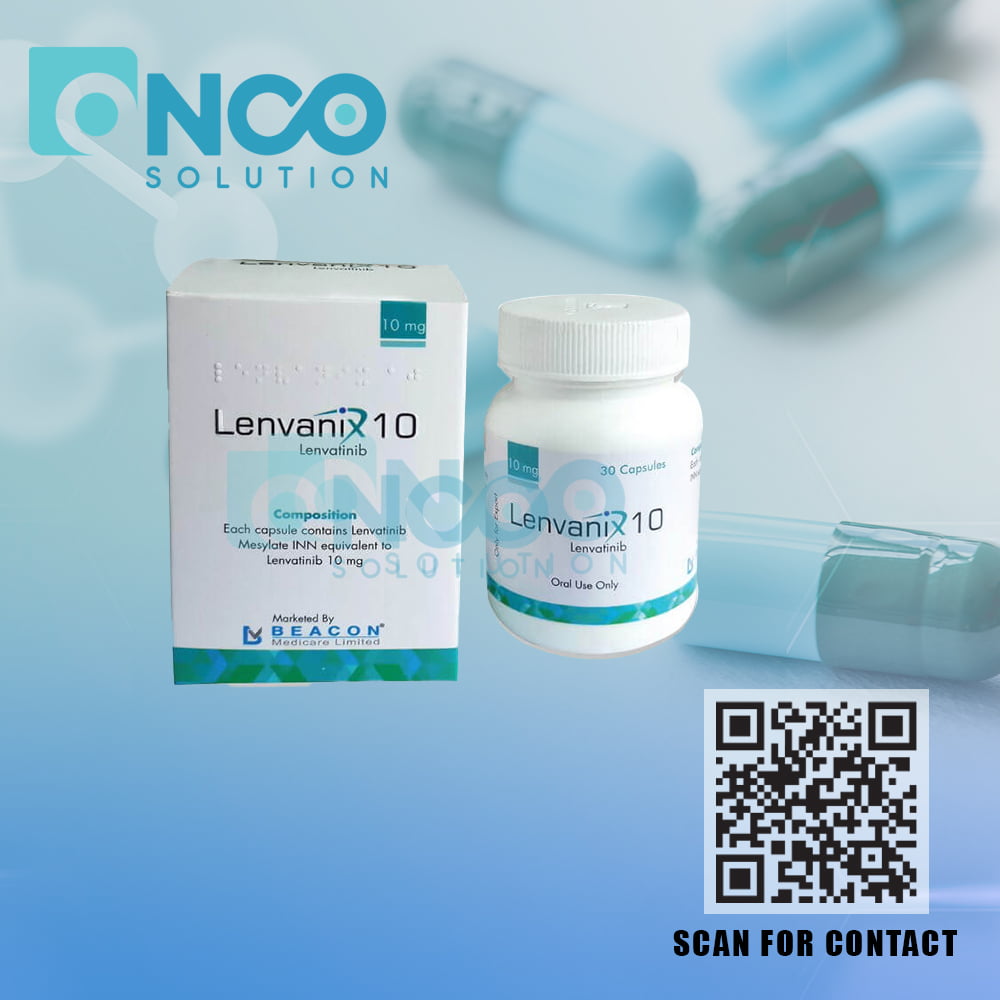
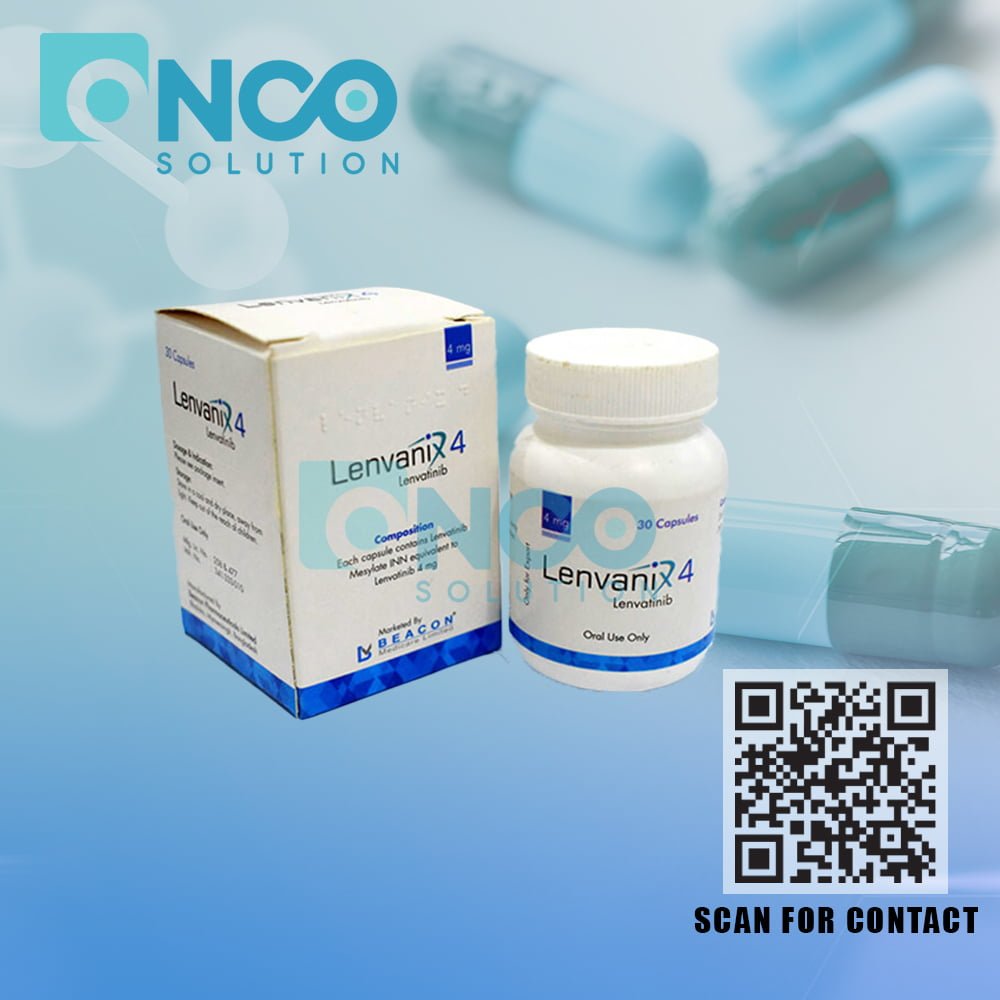
- Lenvatinib is available as oral capsules in two strengths — 4 mg and 10 mg — and is supplied to Pakistan through three Bangladeshi-manufactured brands: Lanib, Lenvaxen, and Lenvanix.
- Common side effects include hypertension, diarrhea, fatigue, decreased appetite, and nausea; serious adverse events such as hemorrhage, hepatotoxicity, and cardiac dysfunction require close clinical monitoring throughout treatment.
- Breastfeeding is not recommended during lenvatinib treatment and for at least 1 week after the final dose due to potential risk to the nursing infant.
What Is Lenvatinib and How Does It Work?
Lenvatinib mesylate is an orally administered multikinase inhibitor — a class of targeted therapy that works by selectively blocking the activity of multiple receptor tyrosine kinases simultaneously. These kinases are proteins that play critical roles in signaling pathways governing angiogenesis (the formation of new blood vessels that tumors depend on), tumor cell proliferation, and cancer cell survival. By inhibiting these pathways, lenvatinib disrupts the tumor’s ability to sustain its blood supply and continue growing.
A common question among patients and clinicians is: what type of treatment is lenvatinib, and is it a chemotherapy drug? Lenvatinib is not a conventional chemotherapy agent. Traditional chemotherapy works by broadly targeting rapidly dividing cells throughout the body, often causing widespread toxicity. Lenvatinib, by contrast, is a targeted therapy — it acts on specific molecular targets expressed by tumor cells and tumor-associated vasculature. This mechanistic distinction is clinically significant, as it influences both the therapeutic profile and the side effect pattern of the drug.
Clinical Mechanism: Lenvatinib inhibits vascular endothelial growth factor receptors (VEGFR1-3), fibroblast growth factor receptors (FGFR1-4), platelet-derived growth factor receptor alpha (PDGFRα), RET, and KIT signaling pathways. This multi-targeted approach addresses multiple mechanisms of tumor progression simultaneously, representing a precision oncology strategy based on molecular pathway inhibition rather than cytotoxic cell destruction.
As a multikinase inhibitor, lenvatinib represents a precision oncology approach, designed to interfere with defined molecular drivers of cancer progression rather than indiscriminately attacking dividing cells.
Approved Indications: Cancers Treated with Lenvatinib
Lenvatinib holds regulatory approval across five distinct oncology indications, all in adult patients aged 18 years and older. The breadth of its approved use reflects the drug’s activity across multiple tumor types driven by angiogenic and receptor tyrosine kinase signaling.
The approved indications are as follows:
- Differentiated thyroid cancer (DTC): For adults (≥18 years) with radioiodine-refractory progressive disease.
- Renal cell carcinoma (RCC) — first-line: For adults (≥18 years) as a first-line treatment option.
- Renal cell carcinoma (RCC) — after prior therapy: For adults (≥18 years) following one prior anti-angiogenic therapy, used in combination with everolimus.
- Unresectable hepatocellular carcinoma (HCC): For adults (≥18 years) who have not received prior systemic therapy.
- Advanced endometrial carcinoma (EC): For adults (≥18 years) with pMMR or non-MSI-H tumors that have progressed following prior systemic therapy.
Evidence Base: The approval of lenvatinib across these five indications is supported by multiple phase 3 clinical trials, including the SELECT trial (differentiated thyroid cancer), CLEAR trial (first-line RCC), REFLECT trial (hepatocellular carcinoma), and Study 309/KEYNOTE-775 (endometrial carcinoma). These pivotal studies demonstrated statistically significant improvements in progression-free survival and/or overall survival compared to standard-of-care comparators.
It is important to note that the safety and efficacy of lenvatinib have not been established in pediatric patients. All five indications are currently approved for use in adults only, and procurement teams should ensure prescribing aligns with these approved populations.
Available Strengths and Dosage Forms
Lenvatinib is formulated as oral capsules and is available in two strengths: 4 mg and 10 mg. Both strengths are supplied as capsules intended for oral administration, offering flexibility in dose management across different indications and patient populations.
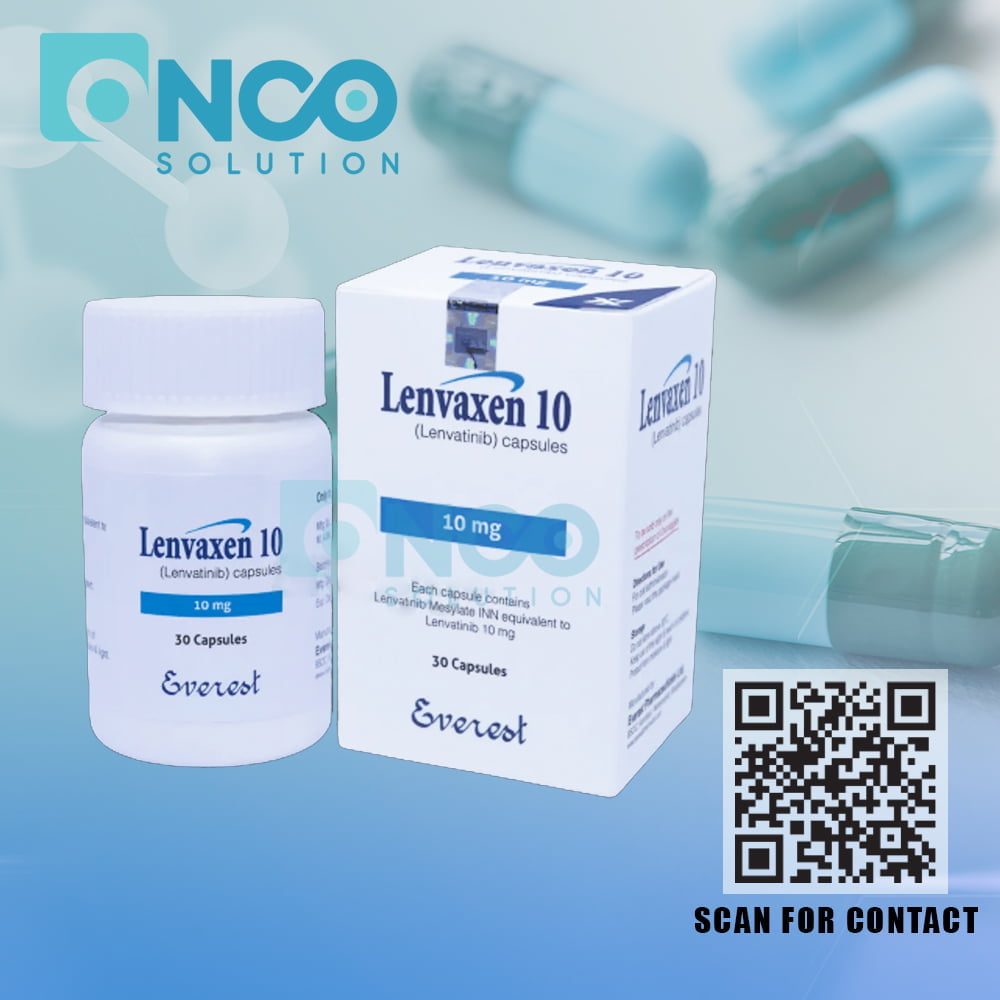
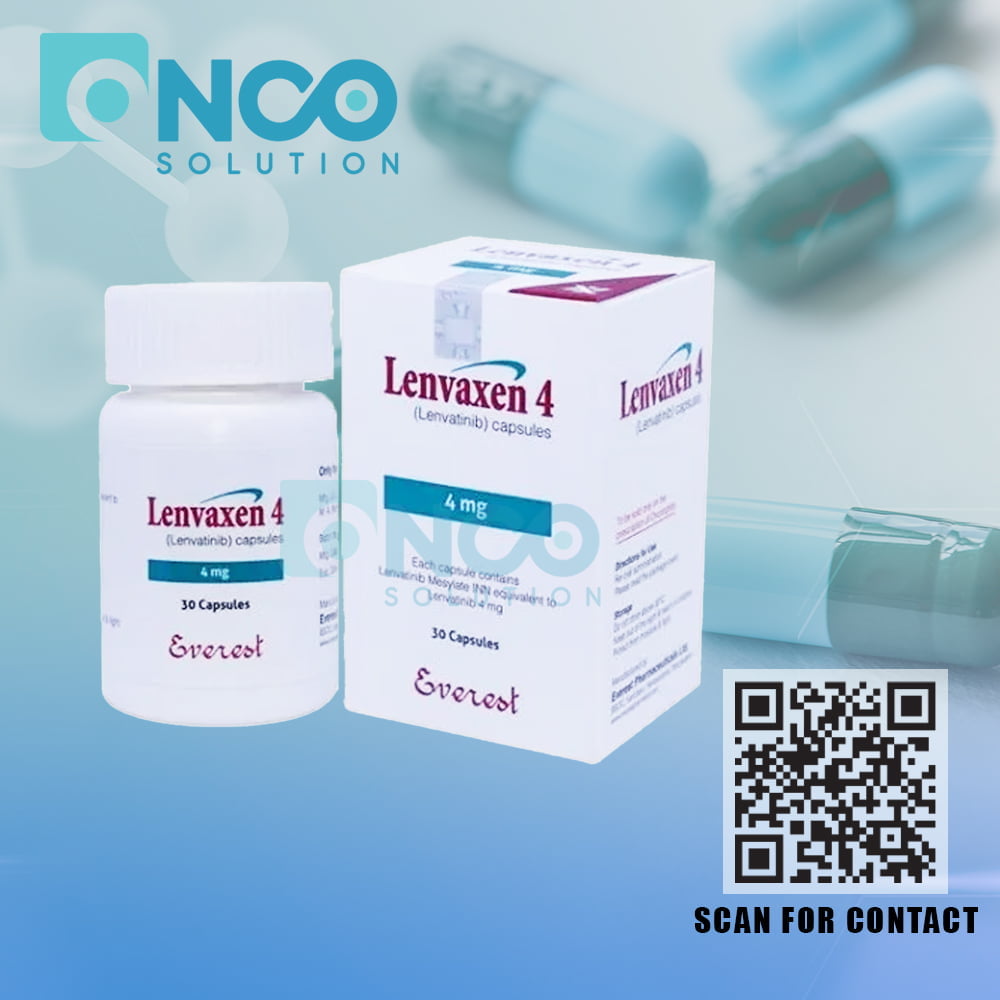
The three Bangladeshi-manufactured brands we export to Pakistan — Lanib, Lenvaxen, and Lenvanix — are each available in these capsule strengths. For detailed product-specific information on one of these brands, refer to our Lenvaxen 4 mg & 10 mg product page.
Dosing Considerations: Regarding the question is lenvatinib taken daily? — the dosing schedule, including frequency and any indication-specific adjustments, is determined by the treating physician in accordance with the official prescribing information. The dose is individualised by indication, cancer type, and patient tolerability, with any modifications determined by the treating physician. Procurement teams and healthcare providers should consult the approved prescribing information for full administration guidance. Specific dosing decisions remain the clinical responsibility of the prescribing physician.
Safety Profile: Common and Serious Side Effects
Understanding the safety profile of lenvatinib is essential for clinical teams managing patients on this therapy. Healthcare procurement professionals should also be aware of these considerations when supporting formulary decisions.
Common side effects reported with lenvatinib include hypertension, diarrhea, fatigue, decreased appetite, nausea, vomiting, weight loss, proteinuria, epistaxis, and hemorrhage. Among these, hypertension and diarrhea are among the most frequently observed, and proactive monitoring is recommended throughout treatment.
Adverse Event Incidence: These frequencies vary by indication and combination therapy.
Serious adverse events associated with lenvatinib include:
- Hemorrhage — including cerebral microhemorrhage, gastrointestinal hemorrhage, and hemoptysis
- Hypertensive crisis
- Cardiac dysfunction
- Hepatotoxicity
- Renal impairment
- Gastrointestinal perforation
- Reversible posterior leukoencephalopathy syndrome (RPLS)
Close clinical monitoring is required throughout the course of treatment, with dose modifications or discontinuation considered based on severity of adverse events.
Recommended Monitoring: Clinical guidelines recommend baseline and periodic assessment of blood pressure (weekly for first 2 cycles, then every 2-3 weeks), hepatic function tests (before initiation and periodically), renal function, thyroid function, cardiac function (in patients with cardiac risk factors), and proteinuria. Early detection and management of adverse events through systematic monitoring can significantly improve treatment tolerability and outcomes.
Lactation guidance: Lenvatinib has not been studied in lactating women. Breastfeeding is not recommended during treatment and for 30 days after the final dose, due to the potential risk to the nursing infant.
Pharmacokinetics and Drug Metabolism
Lenvatinib’s pharmacokinetic profile is relevant to clinical decision-making, particularly in patients with organ impairment or those receiving concomitant medications.
Following oral administration, lenvatinib is primarily eliminated via the feces (approximately 64%), with urinary excretion accounting for approximately 25% of total elimination. The terminal elimination half-life is approximately 28 hours, supporting a consistent systemic exposure profile.
Absorption and Distribution: Lenvatinib demonstrates time-independent pharmacokinetics with dose-proportional increases in exposure. Peak plasma concentrations (Tmax) occur 1-4 hours post-dose. The drug is highly protein-bound (98-99%) and has a volume of distribution of approximately 50-60 L. Steady-state concentrations are achieved within 7 days of once-daily dosing. Food does not significantly affect lenvatinib bioavailability, allowing flexible administration with or without meals.
Metabolism occurs through two principal pathways: CYP3A4-mediated oxidative metabolism and aldehyde oxidase-mediated pathways. Clinicians should be aware of potential interactions with strong CYP3A4 inducers or inhibitors, which may alter lenvatinib exposure.
Drug Interaction Considerations: While lenvatinib is metabolized by CYP3A4, clinical studies have not demonstrated clinically significant alterations in exposure with moderate CYP3A inhibitors. However, caution is advised with strong CYP3A4 inducers (e.g., rifampin, phenytoin, carbamazepine, St. John’s wort), which may decrease lenvatinib concentrations. Conversely, strong CYP3A4 inhibitors should be used with caution. Additionally, lenvatinib is not a substrate, inhibitor, or inducer of major drug transporters at clinically relevant concentrations.
Dose reduction considerations apply for patients with certain degrees of renal or hepatic impairment. Prescribers should consult the full prescribing information to determine appropriate management in these patient populations. No specific numeric dosing adjustments are detailed here; all modifications should follow the official prescribing guidance.
Regulatory Status: Bangladesh DGDA and Pakistan DRAP
Lenvatinib received initial FDA approval in 2015, establishing its global regulatory foundation across multiple oncology indications. This approval has since been followed by registrations in numerous markets worldwide.
Global Regulatory Milestones: The U.S. FDA first approved lenvatinib in February 2015 for radioiodine-refractory differentiated thyroid cancer, followed by approvals for renal cell carcinoma (2016), hepatocellular carcinoma (2018), and endometrial carcinoma (2021). The European Medicines Agency (EMA) granted marketing authorization in 2015, with subsequent expansions across multiple indications. These regulatory approvals were based on robust phase 3 clinical trial programs demonstrating significant clinical benefit across diverse tumor types.
In Bangladesh, the brands we supply hold valid DGDA (Directorate General of Drug Administration) marketing authorizations. Specifically, the DGDA registration covers:
- Marketing Authorization 341-333-010 for the 4 mg capsule — valid from 24 April 2018 to 25 April 2028
- Marketing Authorization 341-334-010 for the 10 mg capsule — valid from 24 April 2018 to 23 April 2028
As a Bangladeshi exporter supplying lenvatinib to Pakistan, we operate under these valid DGDA authorizations. However, importers, hospital procurement teams, and pharmaceutical distributors in Pakistan are advised to independently verify the registration status of any imported product with the Drug Regulatory Authority of Pakistan (DRAP) via the official portal at dra.gov.pk prior to procurement. Regulatory compliance in the destination market remains the responsibility of the importing entity.
Bangladeshi Brands We Export to Pakistan: Lanib, Lenvaxen, Lenvanix
We exclusively source and export Bangladeshi-manufactured lenvatinib brands to Pakistan and other regional markets. The three brands available through our supply network are:
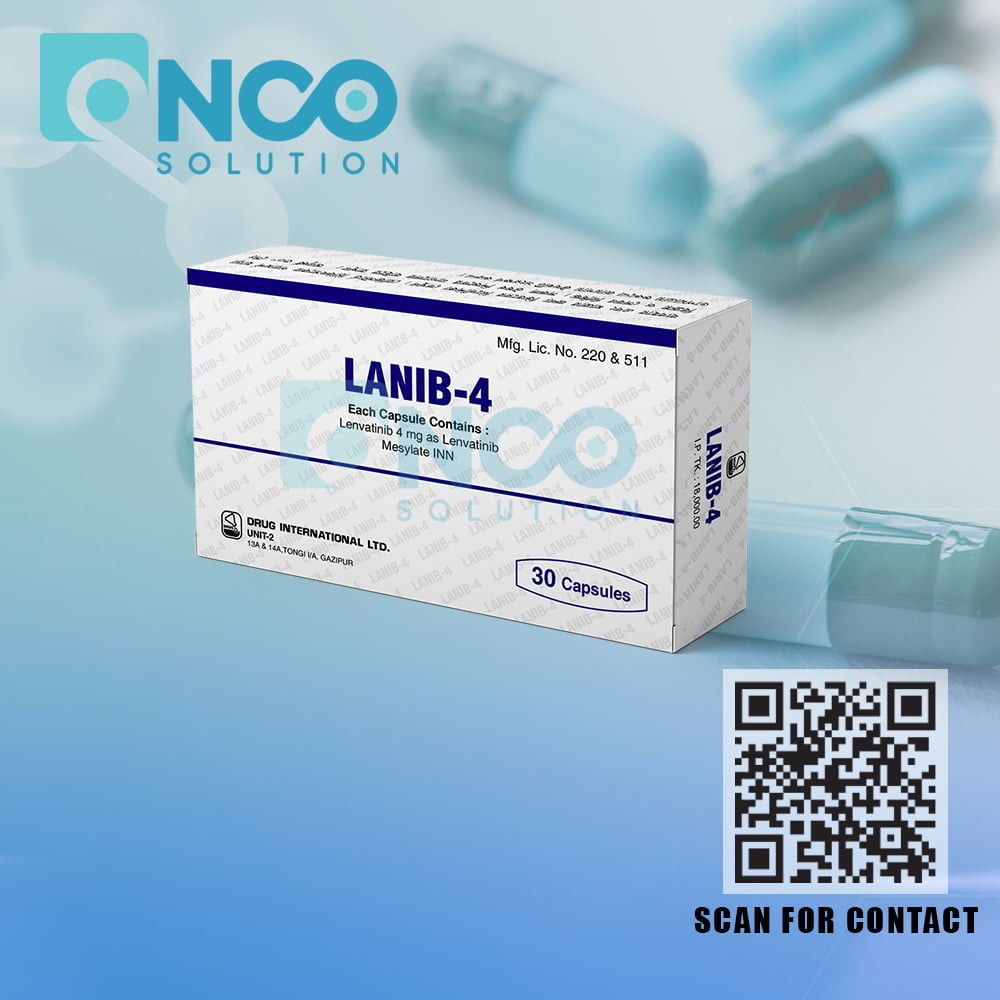
- Lanib — manufactured by Drug International Ltd., one of Bangladesh’s established oncology-focused pharmaceutical manufacturers.
- Lenvaxen — manufactured by Everest Pharmaceutical Ltd., a Bangladeshi manufacturer with a growing presence in targeted oncology therapies.
- Lenvanix — manufactured by Beacon Pharmaceuticals Ltd., a well-recognized Bangladeshi pharmaceutical company with a broad oncology portfolio.
Manufacturing Standards: All three manufacturers operate under WHO-GMP (Good Manufacturing Practice) certified facilities and maintain compliance with Bangladesh pharmaceutical manufacturing regulations. Drug International Ltd. has been manufacturing oncology products since 1993, Beacon Pharmaceuticals Ltd. holds multiple international quality certifications including WHO prequalification for several products, and Everest Pharmaceutical Ltd. operates modern manufacturing facilities with dedicated oncology production lines. These manufacturers supply lenvatinib to multiple international markets beyond Pakistan.
All three brands are manufactured in Bangladesh under applicable regulatory standards and carry valid DGDA marketing authorizations. In the context of the global market, where the originator product Lenvima has established the clinical benchmark for lenvatinib therapy, these Bangladeshi-manufactured alternatives offer procurement teams in Pakistan access to the same active molecule through a reliable regional supply chain.
We do not source or distribute brands manufactured outside Bangladesh. Our supply model is built on direct partnerships with Bangladeshi manufacturers, ensuring product traceability and supply chain integrity for our Pakistani partners.
How to Inquire About Lenvatinib Supply for Pakistan
We welcome inquiries from pharmacies, hospital procurement departments, oncology centers, and pharmaceutical distributors across Pakistan seeking a reliable supply of lenvatinib capsules (4 mg and 10 mg).
Our team is equipped to support bulk and wholesale procurement requirements for Lanib, Lenvaxen, and Lenvanix. Whether you represent a single institution or a large distribution network, we are prepared to discuss availability, documentation, and supply terms to meet your operational needs.
Documentation Support: For institutional procurement, we provide comprehensive documentation including certificates of analysis (CoA), manufacturing licenses, DGDA marketing authorizations, batch release certificates, and stability data. We maintain full traceability from manufacturer to delivery, supporting your quality assurance and regulatory compliance requirements. Our supply chain operates under GDP (Good Distribution Practice) standards to ensure product integrity throughout the distribution process.
To initiate a procurement inquiry or establish a B2B supply partnership, please contact us directly through our website. Our team will respond promptly with product availability and relevant documentation to support your procurement process.
Frequently Asked Questions
Is lenvatinib 4 mg a chemotherapy drug?
No, lenvatinib — including the 4 mg capsule strength — is not a conventional chemotherapy drug; it is a targeted therapy classified as a multikinase inhibitor. Unlike traditional chemotherapy, which broadly attacks rapidly dividing cells throughout the body, lenvatinib selectively blocks specific receptor tyrosine kinases involved in tumor growth and blood vessel formation. This mechanistic difference influences both its therapeutic profile and its side effect pattern. The distinction is clinically important: chemotherapy causes cytotoxic damage to all rapidly dividing cells, while lenvatinib interferes with specific molecular signaling pathways that tumors depend on for growth and survival.
What type of treatment is lenvatinib?
Lenvatinib is a targeted therapy known as a multikinase inhibitor, representing a precision oncology approach. It works by simultaneously blocking multiple receptor tyrosine kinases that drive angiogenesis, tumor cell proliferation, and cancer cell survival. Specifically, it inhibits VEGFR1-3, FGFR1-4, PDGFRα, RET, and KIT signaling pathways. This makes it distinct from both conventional chemotherapy (which broadly targets dividing cells) and immunotherapy (which enhances the immune system’s ability to recognize and destroy cancer cells). Lenvatinib belongs to the class of small molecule inhibitors that interfere with specific molecular targets expressed by cancer cells and tumor vasculature.
What are the most common side effects of lenvatinib?
The most commonly reported side effects of lenvatinib include hypertension, diarrhea, fatigue, decreased appetite, nausea, vomiting, weight loss, proteinuria, epistaxis, and hemorrhage. Hypertension and diarrhea are among the most frequently observed, occurring in 67-73% and 49-59% of patients respectively in clinical trials, and proactive monitoring is recommended throughout treatment. Serious adverse events such as hepatotoxicity, cardiac dysfunction, and reversible posterior leukoencephalopathy syndrome (RPLS) may also occur and require close clinical oversight. The side effect profile reflects lenvatinib’s mechanism of action targeting vascular and growth factor pathways. Most adverse events are manageable through dose modifications, supportive care, and appropriate monitoring protocols established in clinical practice guidelines.
Is lenvatinib taken daily?
The dosing schedule for lenvatinib, including frequency and any indication-specific adjustments, is determined by the treating physician in accordance with the official prescribing information. Lenvatinib is typically taken once daily as a continuous oral therapy, with the specific regimen varying by indication and treatment combination. However, specific dosing decisions, including any modifications based on tolerability or adverse events, remain the clinical responsibility of the prescribing physician. Healthcare providers should consult the approved prescribing information for full administration guidance tailored to each indication and patient population.
Which lenvatinib brands do you export to Pakistan, and where are they manufactured?
We export three lenvatinib brands to Pakistan — Lanib (manufactured by Drug International Ltd.), Lenvaxen (manufactured by Everest Pharmaceutical Ltd.), and Lenvanix (manufactured by Beacon Pharmaceuticals Ltd.) — all produced in Bangladesh under valid DGDA marketing authorizations. We exclusively source Bangladeshi-manufactured brands and do not supply brands manufactured outside Bangladesh. All three brands are available in both 4 mg and 10 mg oral capsule strengths. These manufacturers operate WHO-GMP certified facilities and maintain compliance with international pharmaceutical manufacturing standards. Our supply model is built on direct partnerships with these Bangladeshi manufacturers, ensuring product traceability, quality assurance, and supply chain integrity for our Pakistani partners.
What documentation should Pakistani procurement teams verify before ordering?
Pakistani importers, hospital procurement departments, and distributors are advised to independently verify the registration status of any imported lenvatinib product with the Drug Regulatory Authority of Pakistan (DRAP) via the official portal at dra.gov.pk prior to procurement. Our supplied brands hold valid DGDA marketing authorizations from Bangladesh (Marketing Authorization 341-333-010 for 4 mg and 341-334-010 for 10 mg, both valid through 2028), and we can provide relevant documentation to support the procurement process, including certificates of analysis, manufacturing licenses, batch release certificates, and stability data. Regulatory compliance in the destination market remains the responsibility of the importing entity. We recommend procurement teams establish internal protocols for verifying import permits, product registration status, and compliance with local pharmaceutical regulations before finalizing any cross-border pharmaceutical procurement.
Access This Medicine Through oncosolution
We are a specialist oncology medicine supplier delivering to patients, pharmacies, hospitals, and distributors worldwide. Contact us for availability and sourcing support.
We do not publish prices online. All pricing is provided directly by our specialist supply team on request.
Medical Information Notice: This content is for informational purposes only and is based on official pharmaceutical product documentation. It does not constitute medical advice. Patients should consult their doctor or pharmacist before taking any medication.
Regulatory Disclaimer: Sourcing and distribution are subject to regional import regulations, quotas, and verified medical prescriptions where applicable. Pricing and availability are subject to change without notice.
Content Currency: This article was last reviewed and updated in July 2026. Regulatory approval statuses and product availability are subject to change; readers are advised to consult official regulatory databases for the most current information.